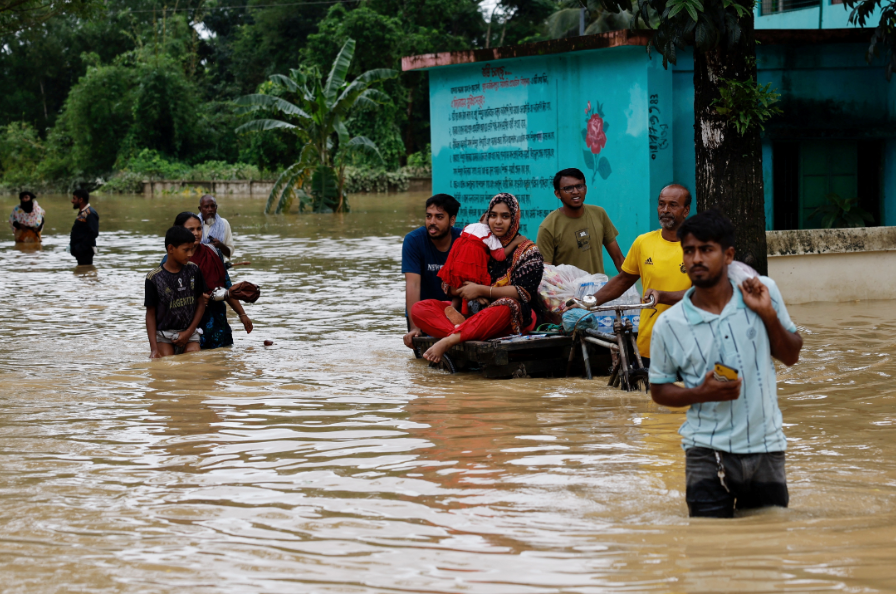
The socioeconomic consequences of flooding in Bangladesh are profound and far-reaching. Floods disrupt agricultural production, which is a backbone of the country’s economy. When fields are submerged, crops are destroyed, leading to food shortages and loss of income for farmers. This not only affects rural livelihoods but also impacts urban populations that rely on agriculture for their food supply.
Displacement is another significant issue. Floods often force families to leave their homes, leading to overcrowded shelters and camps that lack basic facilities. Displaced individuals face challenges in accessing education, healthcare, and employment opportunities. The mental and emotional toll on these families can be devastating, as they struggle to rebuild their lives in the aftermath of such disasters.
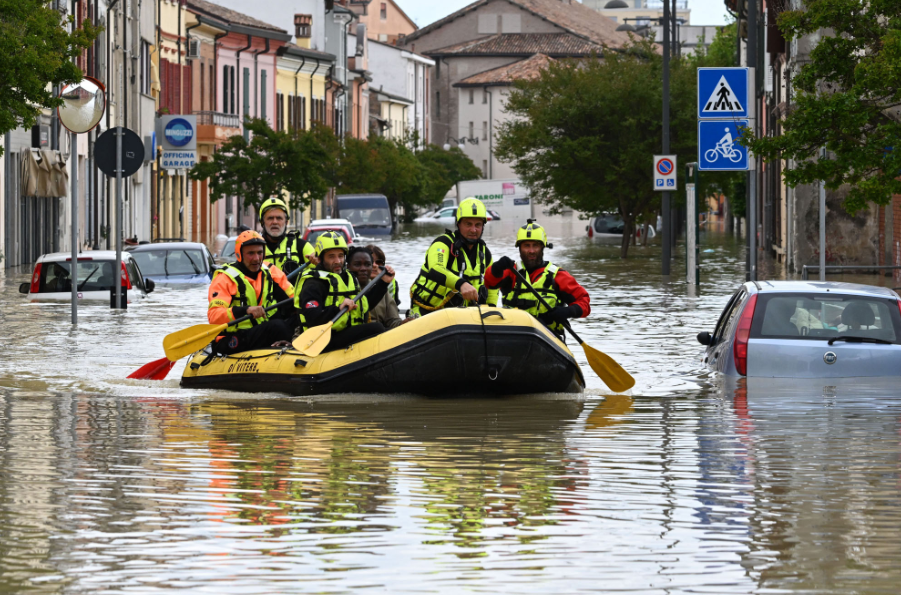
Building community resilience is essential for mitigating the impact of floods in Bangladesh. Local communities often bear the brunt of flooding, making their involvement in disaster preparedness and response critical. Training programs that educate residents about flood risks, early warning systems, and emergency response can empower communities to take proactive measures.
Traditional knowledge and practices play a significant role in community resilience. Many rural populations have developed techniques to cope with flooding, such as constructing elevated platforms for housing and livestock. Integrating traditional knowledge with modern disaster management strategies can enhance resilience and adaptation efforts.