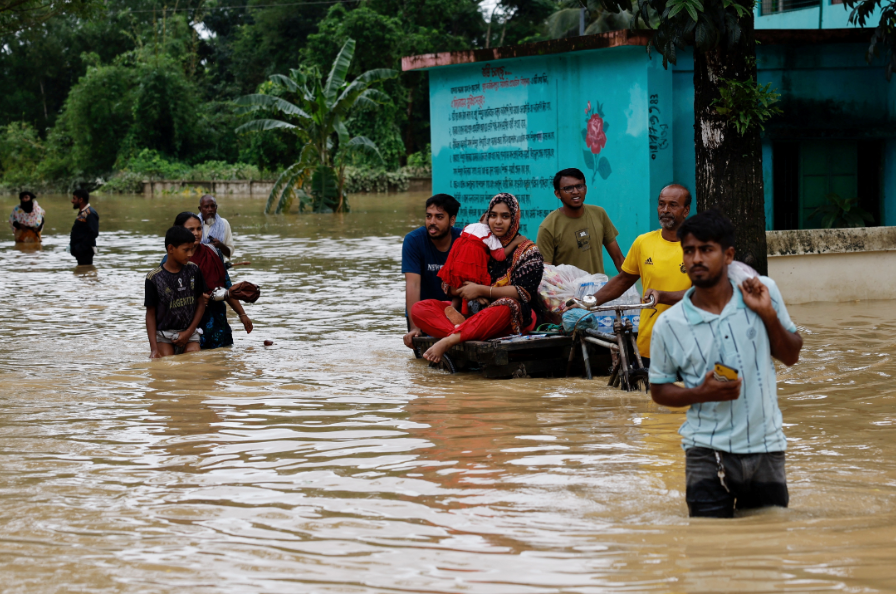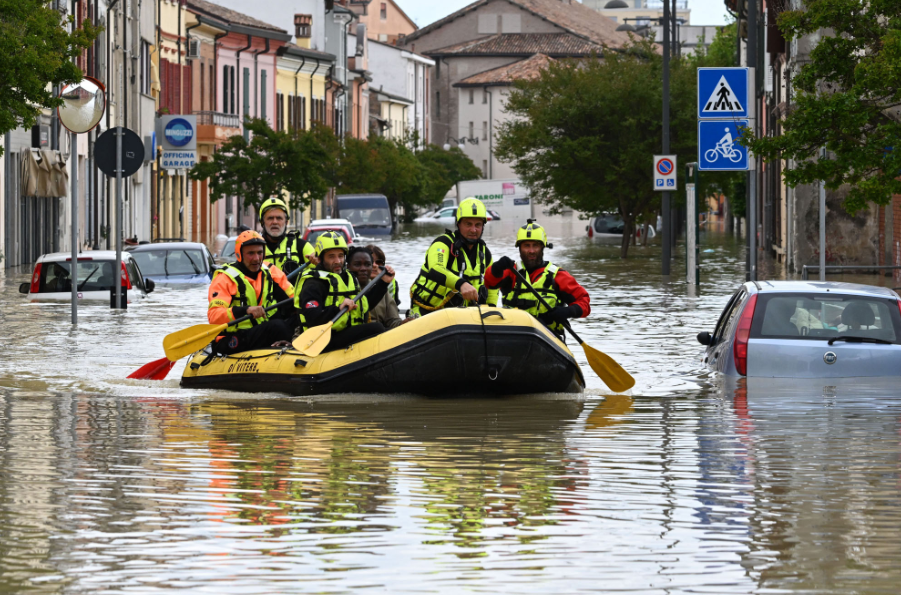
Building community resilience is essential for mitigating the impact of floods in Bangladesh. Local communities often bear the brunt of flooding, making their involvement in disaster preparedness and response critical. Training programs that educate residents about flood risks, early warning systems, and emergency response can empower communities to take proactive measures.
Traditional knowledge and practices play a significant role in community resilience. Many rural populations have developed techniques to cope with flooding, such as constructing elevated platforms for housing and livestock. Integrating traditional knowledge with modern disaster management strategies can enhance resilience and adaptation efforts.
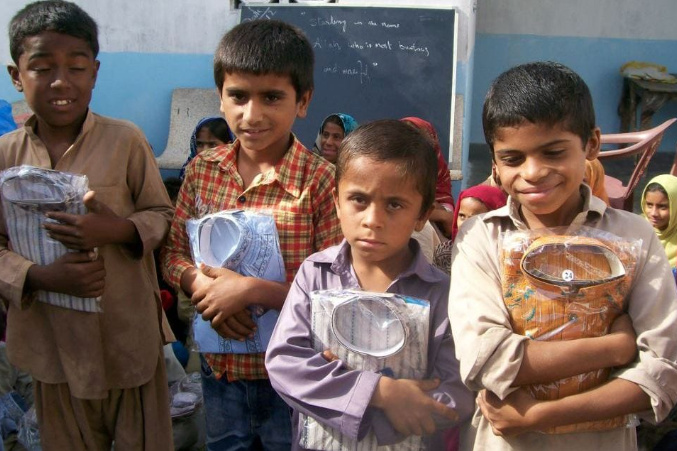
While Bangladesh has made strides in improving access to education, several challenges continue to impede progress. One major issue is the high dropout rate, particularly in secondary education, often driven by socioeconomic factors such as poverty and the need for children to contribute to household income. Additionally, many schools struggle with inadequate facilities and resources, impacting the learning environment and student engagement.
Despite these obstacles, there are opportunities for improvement. The rise of technology in education, particularly through online learning platforms, offers new avenues for reaching students, especially in remote areas. Initiatives that promote vocational and technical education are also gaining traction, helping to equip young people with practical skills needed for the job market. By focusing on both access and quality, Bangladesh can work towards a more equitable and effective education system that meets the needs of all its citizens.